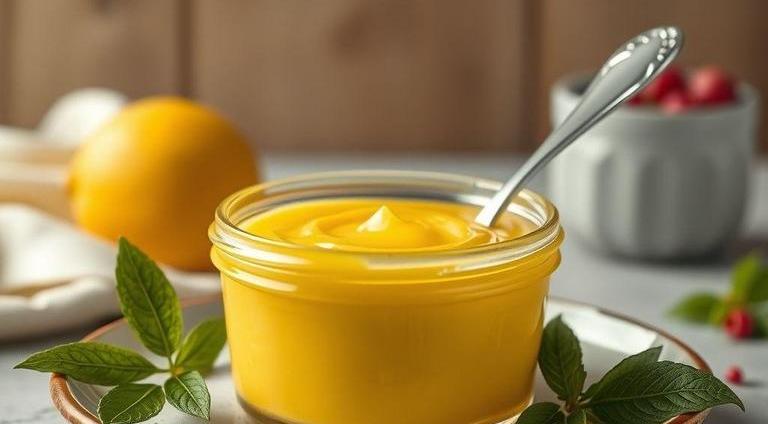
Store, Freeze, Can: Your Ultimate Guide to Fresh Lemon Curd Preservation
Few culinary delights capture the essence of sunshine quite like a perfectly crafted batch of
fresh lemon curd. Its vibrant yellow hue, silky smooth texture, and intoxicating sweet-tart flavor make it an irresistible spread, topping, and filling. Whether lavished on warm scones, layered into delicate cakes, swirled into yogurt, or simply enjoyed by the spoonful, homemade lemon curd elevates any dish. But what happens when you’ve whipped up a generous batch of this liquid gold, and you want to ensure its deliciousness lasts beyond a few days? This comprehensive guide will walk you through everything you need to know about preserving your
fresh lemon curd, from short-term refrigeration to long-term freezing and canning, ensuring you always have a taste of sunshine at your fingertips.
The Irresistible Allure of Homemade Fresh Lemon Curd
There’s a unique satisfaction that comes from creating something truly delicious from scratch, and
fresh lemon curd is a prime example. Unlike store-bought versions, homemade curd boasts an unparalleled depth of flavor and a wonderfully smooth consistency. It’s a testament to the magic of simple, high-quality ingredients: fresh lemon juice and zest, sugar, eggs, and butter, transforming into a spread that’s impossible to resist.
Many home cooks find themselves wishing they had a ready supply of this citrusy delight. Perhaps you've made a batch of
The Best Smooth Lemon Curd: Secret to Sweet-Tart Perfection and are marveling at its creamy texture, knowing it would be perfect for your morning toast, an afternoon tea, or even as an unexpected filling for thumbprint cookies. The good news is that you don't have to limit your enjoyment to just a few days. With the right preservation techniques, your homemade
fresh lemon curd can be savored for weeks or even months. Understanding these methods not only extends its shelf life but also empowers you to create larger batches without worry, ensuring you're always prepared for a spontaneous dessert or a delightful breakfast treat.
Short-Term Storage: Keeping Fresh Lemon Curd in the Refrigerator
For immediate enjoyment and short-term convenience, the refrigerator is your best friend for storing
fresh lemon curd. This method is straightforward and maintains the curd's exquisite texture and flavor beautifully.
*
Choose the Right Container: Always transfer your freshly made (and cooled) lemon curd into a clean, airtight container. Glass jars with tight-fitting lids or high-quality plastic food storage containers are ideal. The key is to prevent air exposure, which can lead to oxidation and reduce freshness.
*
Cool Completely: Before sealing and refrigerating, ensure your lemon curd has cooled down completely to room temperature. Placing hot curd directly into the fridge can create condensation, which may affect the curd's consistency and introduce moisture that could shorten its shelf life. A good practice is to place plastic wrap directly on the surface of the curd before applying the lid – this creates an extra barrier against air and helps prevent a skin from forming.
*
Shelf Life: Stored correctly in an airtight container in the refrigerator, your homemade
fresh lemon curd will remain delicious for up to
one month. This makes it perfect for having on hand for everyday indulgences or impromptu baking projects.
While refrigerated curd is fantastic, always give it a quick visual check and a sniff before use. Any signs of mold, unusual discoloration, or an off-smell indicate that it's time to discard it.
Long-Term Solution: Freezing Your Fresh Lemon Curd
When a month isn't enough, freezing comes to the rescue, allowing you to enjoy your
fresh lemon curd for significantly longer periods without a noticeable drop in quality. Many culinary experts, including myself, have tested frozen curd against fresh batches and found very little difference in flavor or texture upon thawing.
*
Preparation for Freezing:
*
Cool Thoroughly: Just like with refrigeration, ensure your lemon curd is completely cool before freezing.
*
Choose Freezer-Safe Containers: Opt for sturdy, freezer-safe containers made of glass or plastic. Small, single-serving portions are often most convenient, as you can thaw only what you need.
*
Leave Headspace: This is crucial! As liquids freeze, they expand. Leave about
1/2 inch to 1 inch of headspace at the top of your container to prevent cracking or bursting.
*
Label and Date: Always label your containers with the contents ("Fresh Lemon Curd") and the date it was frozen. This helps you keep track of its freshness.
*
Freezing Process: Simply place the sealed, labeled containers in your freezer.
*
Thawing Your Curd: When you're ready to use your frozen
fresh lemon curd, the best method is to thaw it slowly in the refrigerator. Transfer the container from the freezer to the fridge approximately
24 hours before you plan to use it. This gradual thawing helps maintain its smooth texture.
*
Shelf Life in the Freezer: For optimal quality, frozen lemon curd is best used within
6 months. While some sources suggest it can last up to a year, the texture and flavor may start to degrade slightly after 6 months. It's safe to eat beyond this, but for the best culinary experience, aim for the 6-month mark.
*
Important Note: Once thawed, do not refreeze lemon curd. Use it within a week, treating it as you would refrigerated fresh curd. You might notice a slight separation upon thawing; a gentle whisk will usually bring it back to its original silky consistency.
Advanced Preservation: Canning Fresh Lemon Curd
For those who love to stock their pantry and extend the shelf life of their homemade treats even further, canning is an excellent option for
fresh lemon curd. This method allows you to store your curd at room temperature for several months, making it a fantastic gift or a convenient staple. However, canning lemon curd, due to its acidity and egg content, requires precise adherence to safety guidelines, specifically using a boiling water canner.
*
Gather Your Supplies:
* Pint canning jars with two-piece metal lids (new lids, bands can be reused).
* Boiling water canner.
* Jar lifter, canning funnel, headspace tool, bubble wand.
* Hot, strained
fresh lemon curd.
*
Preparation Steps:
*
Sterilize Jars: Wash jars thoroughly in hot, soapy water, rinse well, and keep them hot (either in hot water or a low oven) until ready to fill. This prevents thermal shock and ensures sanitation.
*
Prepare Lids: Place new canning lids in a small saucepan of hot (not boiling) water to soften the sealing compound, as per manufacturer instructions.
*
Preheat Canner: Fill your boiling water canner with water and preheat it to 180°F (82°C).
*
Filling and Sealing Jars:
*
Fill Jars: Using a canning funnel, carefully ladle the hot, strained lemon curd into the hot jars, leaving exactly
1/2 inch of headspace. Headspace is critical for proper sealing.
*
Remove Air Bubbles: Use a non-metallic bubble wand or chopstick to gently remove any trapped air bubbles by sliding it around the inside of the jar. Readjust headspace if necessary after removing bubbles.
*
Wipe Rims: With a clean, damp paper towel, carefully wipe the jar rims. Any curd residue can prevent a proper seal.
*
Apply Lids and Bands: Center the prepped lid on the jar rim, then screw on the band fingertip tight (just until resistance is met, no overtightening).
*
Processing in a Boiling Water Canner:
*
Load Canner: Carefully place the filled jars onto the rack in the preheated canner, ensuring they are fully submerged in water (at least 1 inch above the jar tops).
*
Boil and Process: Bring the water to a rolling boil. Once boiling, start your timer based on your altitude:
* Below 1,000 feet: Process for
15 minutes.
* 1,000 to 6,000 feet: Process for
20 minutes.
* Above 6,000 feet: Process for
25 minutes.
*
Cooling and Sealing: Once the processing time is complete, turn off the heat and let the jars sit in the canner for 5 minutes before carefully removing them with a jar lifter. Place them on a towel-lined surface, ensuring they are not touching each other, and allow them to cool undisturbed for
12-24 hours. You should hear popping sounds as the lids seal.
*
Checking Seals and Storage:
* After 12-24 hours, check for seals. Press the center of each lid; if it doesn't flex, it's sealed. Remove bands, wash jars, and label with contents and date.
* Store properly sealed canned
fresh lemon curd in a cool, dark place away from direct light.
*
Shelf Life: For optimal quality, use canned lemon curd within
3 to 4 months. While it may remain safe longer, flavor and texture can degrade over time.
*
Spoilage Signs: Always inspect canned goods before use. Discard immediately if you notice any browning, separation, unusual odors, or if the lid is bulging or unsealed.
Maximizing Freshness and Flavor: Pro Tips for Homemade Lemon Curd Preservation
Beyond the specific storage methods, a few overarching principles will ensure your preserved
fresh lemon curd is always at its best:
*
Start with the Best Ingredients: The quality of your ingredients directly impacts the final product. Use fresh, organic lemons for their vibrant zest and juicy acidity, and high-quality butter and eggs.
*
Master the Cooking Technique: The way you make your curd significantly affects its stability. To avoid "egg curdles," a common pitfall, many recipes suggest mixing eggs with butter and sugar first, similar to baking, before heating. This ensures a smoother blend and prevents scrambling as the mixture thickens. For a perfect batch every time, refer to detailed recipes on
The Best Smooth Lemon Curd: Secret to Sweet-Tart Perfection.
*
Rapid Cooling is Key: After cooking, it's beneficial to cool your curd quickly to prevent bacterial growth and maintain its bright flavor. You can do this by placing the saucepan in an ice bath, stirring occasionally, until it reaches room temperature.
*
Always Use Airtight: Regardless of the preservation method, preventing air exposure is paramount. Oxygen is the enemy of freshness, causing oxidation and off-flavors.
*
Embrace its Versatility: Having a stash of preserved
fresh lemon curd opens up a world of culinary possibilities. Don't limit yourself! Use it in thumbprint cookies, as a topping for pancakes, mixed into cheesecake batter, or to elevate simple vanilla ice cream. Explore
Beyond Scones: Creative Ways to Enjoy Homemade Lemon Curd for inspiration.
Conclusion
Making homemade
fresh lemon curd is a rewarding culinary endeavor, and preserving it ensures that its delightful tang and smooth richness can be enjoyed long after it's made. Whether you opt for the simplicity of refrigeration for short-term enjoyment, the convenience of freezing for several months, or the traditional art of canning for pantry storage, each method offers a reliable way to keep this golden treat at its peak. By following these guidelines and incorporating our pro tips, you'll be able to savor the taste of sunshine year-round, always ready to transform an ordinary moment into something truly extraordinary with your homemade lemon curd.